The 2026 Moon Race: Artemis, China, Starship and the Real Timeline
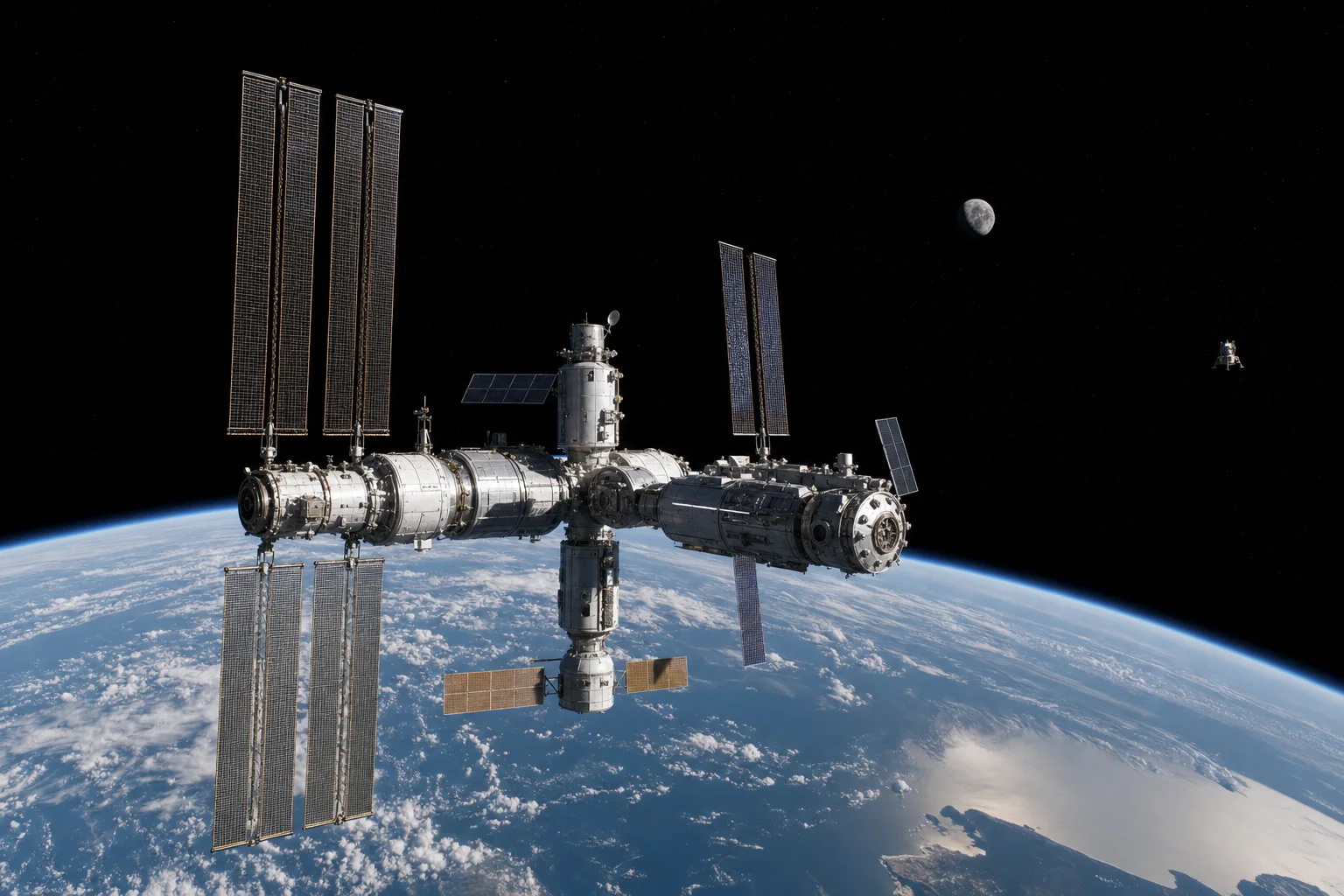
The new Moon race is not simply about a flag. The United States is building a network of launchers, capsules, landers, suits and partners around Artemis. China is developing crewed vehicles alongside a robotic programme intended to prepare a landing before 2030. Both schedules are ambitious and depend on hardware still in development.
The US plan has changed
After the crewed Artemis II flight, NASA reorganised the sequence. Its 2026 update describes Artemis III as an Earth-orbit demonstration planned for 2027, including rendezvous and systems needed for later missions. The agency then targets the first new Artemis landing with Artemis IV in early 2028.
This is more incremental than the former direct Artemis III landing plan. It reduces the number of systems first tested around the Moon, but it does not remove dependencies.
Starship HLS is one piece, not the programme
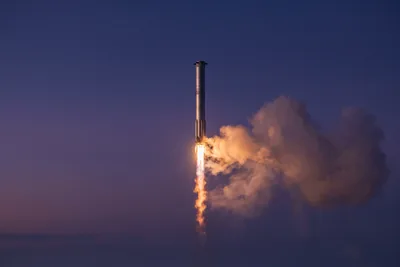
SpaceX's Human Landing System must carry astronauts between lunar orbit and the surface. A lunar Starship must be launched, refuelled in orbit and complete an uncrewed landing demonstration before the crewed mission. Refuelling flight count, cryogenic propellant transfer and cadence are major risks.
Blue Origin is also developing a lander for later Artemis missions. Orion, SLS, spacesuits, surface systems and communications each have their own critical path. A Starship success does not automatically put the whole mission on schedule.
China's plan
China maintains a goal of landing people before 2030. Its published architecture uses the Long March 10 launcher, a crew spacecraft, a lunar lander and two launches that would rendezvous in lunar orbit. Robotic missions are building knowledge of terrain and resources.
Chang'e-7 is scheduled for the second half of 2026 to study the south polar region. A launch date remains a target until liftoff, and robotic success does not qualify every human-rated system.
Why the south pole?
Permanently shadowed areas may preserve water ice. It is scientifically valuable and could one day provide water, oxygen or propellant, but economical extraction has not been demonstrated. Terrain and lighting also make landing and communications difficult.
The competition is therefore about returning regularly, generating power, surviving the environment and doing science—not only the first date.
Cooperation and rivalry
The Artemis Accords gather partners around exploration principles; China and Russia promote an International Lunar Research Station. Several countries cooperate with one network or the other. This creates industrial and diplomatic competition, while deep space still requires common practices for communication, safety and interference avoidance.
How to follow the race
Watch full-system tests rather than presentations: propellant transfer, uncrewed lander, Long March 10 launch, rendezvous, suits and system endurance. Each removes a specific risk.
The 2026 verdict: the US retains an active crewed programme and many partners, but landing depends on a complex chain. China presents a coherent architecture and a target before 2030, but still has to qualify its complete human system. For the wider launcher field, read our orbital race overview.
✔ How we checked this
Dates are those published by the agencies as of 18 July 2026; future targets are identified as schedules, not achieved results.
Information verified as of the publication or update date shown. Technology moves fast — check the sources below.
Sources
- Artemis III news and updates — NASA
- NASA updates Artemis lunar architecture — NASA
- China prepares Chang'e-7 and crewed lunar landing — State Council of the People's Republic of China
- China National Space Administration lunar exploration plan — China National Space Administration