🔌 Gadgets & Tech
Codex in a quantum lab: automating measurements
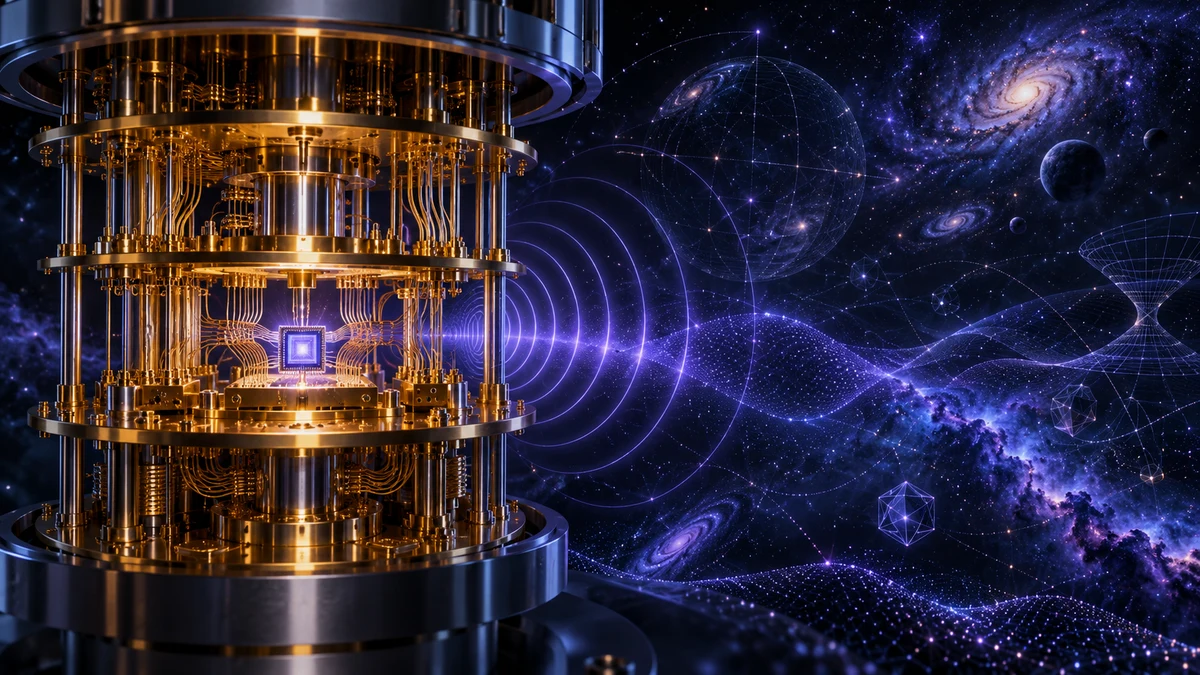
On 8 September 2026, OpenAI described MIT researcher Beatriz Yankelevich connecting GPT-5.6 Sol, through Codex, to superconducting-qubit measurement…
AI hardware, wearables and the everyday devices worth your money.
On 8 September 2026, OpenAI described MIT researcher Beatriz Yankelevich connecting GPT-5.6 Sol, through Codex, to superconducting-qubit measurement…
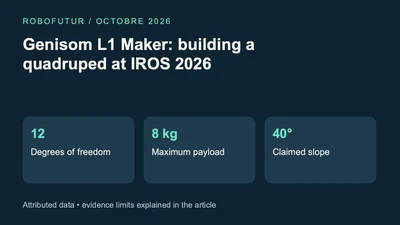
Genisom introduces an educational quadruped for assembly and development. What its announced capabilities mean, and what a teaching project should verify.
Announced overnight from 23 to 24 September 2026, the Meta Ray-Ban Display go on sale in France, Germany and Italy on 13 October 2026, from 899 €. Price, retail locations, prescription versions, battery life: what the first mainstream screen in glasses is actually worth.
Snap details SPECS Intelligence and commercial timeline: $2,195 pre-order, fall 2026 shipping in US, UK and France. Not the first reveal (June AWE).
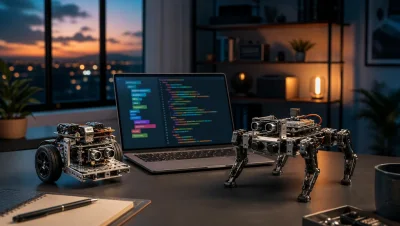
mBot2 is the better first kit for a guided path from blocks to Python; Bittle X V2 is the deeper choice for quadruped locomotion, mechanics and ROS experiments.
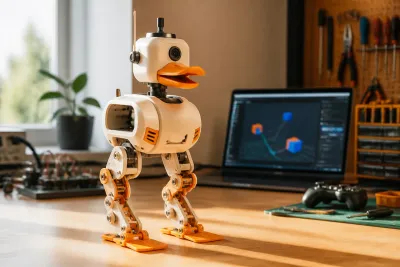
Pollen Robotics’ duck-like biped costs $399 and exposes its control and reinforcement-learning stack. It is a developer gadget, not a household helper.
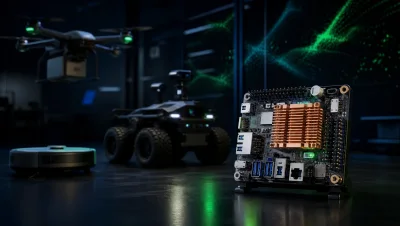
NVIDIA promises 78 TOPS, twice the inference performance and better efficiency for compact robots. The hardware is announced for 2027, with no price or independent benchmarks yet.
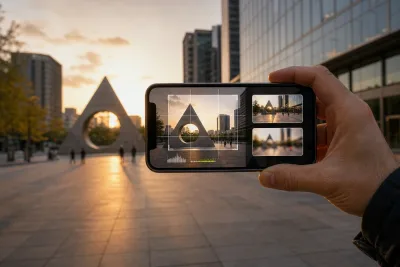
Adobe's Indigo camera can critique a shot, suggest a reshoot and generate edits. Its limited AI Playground also exposes practical trade-offs.
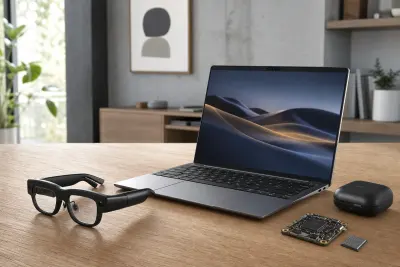
Camera, audio, a small display or real augmented reality: smart glasses are not one product. Here is how to choose without confusing AI with holograms.
Smart glasses, AI pins and smart rings compared at verified mid-2026 prices: real uses, cloud dependence, costs and limits.
China has real lights-off workshops, but the strongest factories combine robots, software and human supervision—not empty buildings run by magic.
Robot vacuums work today; humanoid helpers are early-access systems with important limits.
An NPU accelerates some AI calculations efficiently. But 40 or 50 TOPS says neither how fast the whole PC is nor whether your apps use it.