Claude and DNA: what Anthropic’s biology lab actually found
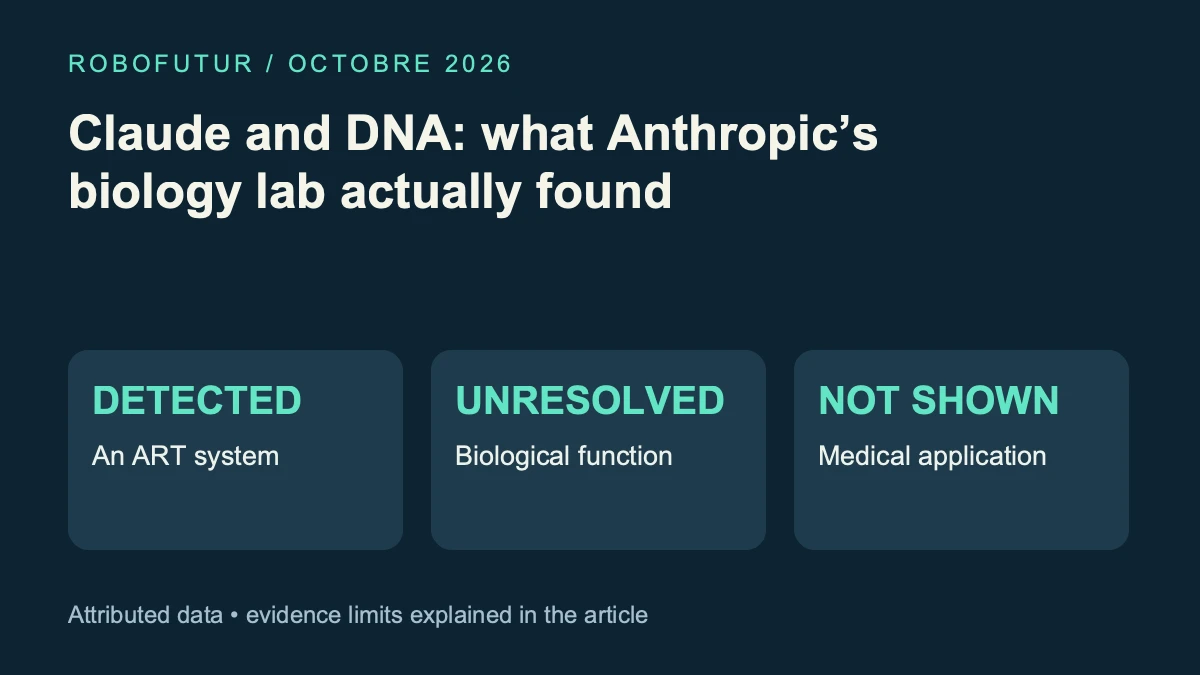
Anthropic announced a biology laboratory and a system called ART on 23 September 2026. Its biological function remains unresolved, and the announcement establishes no treatment.
What the company reports
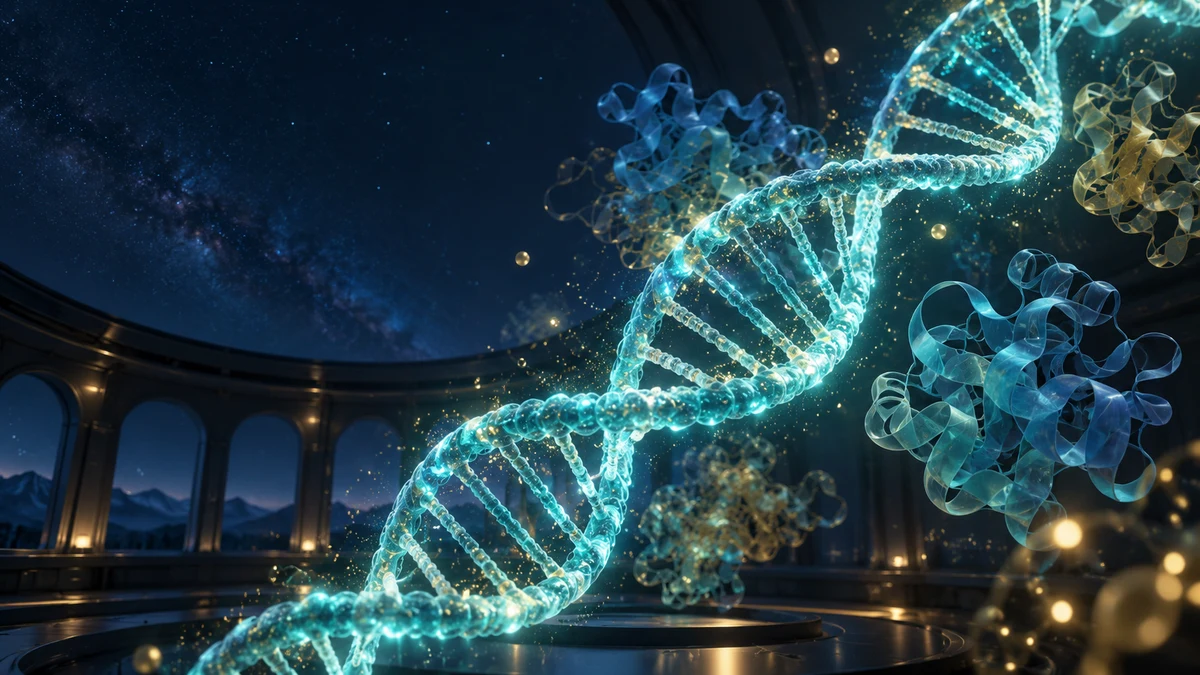
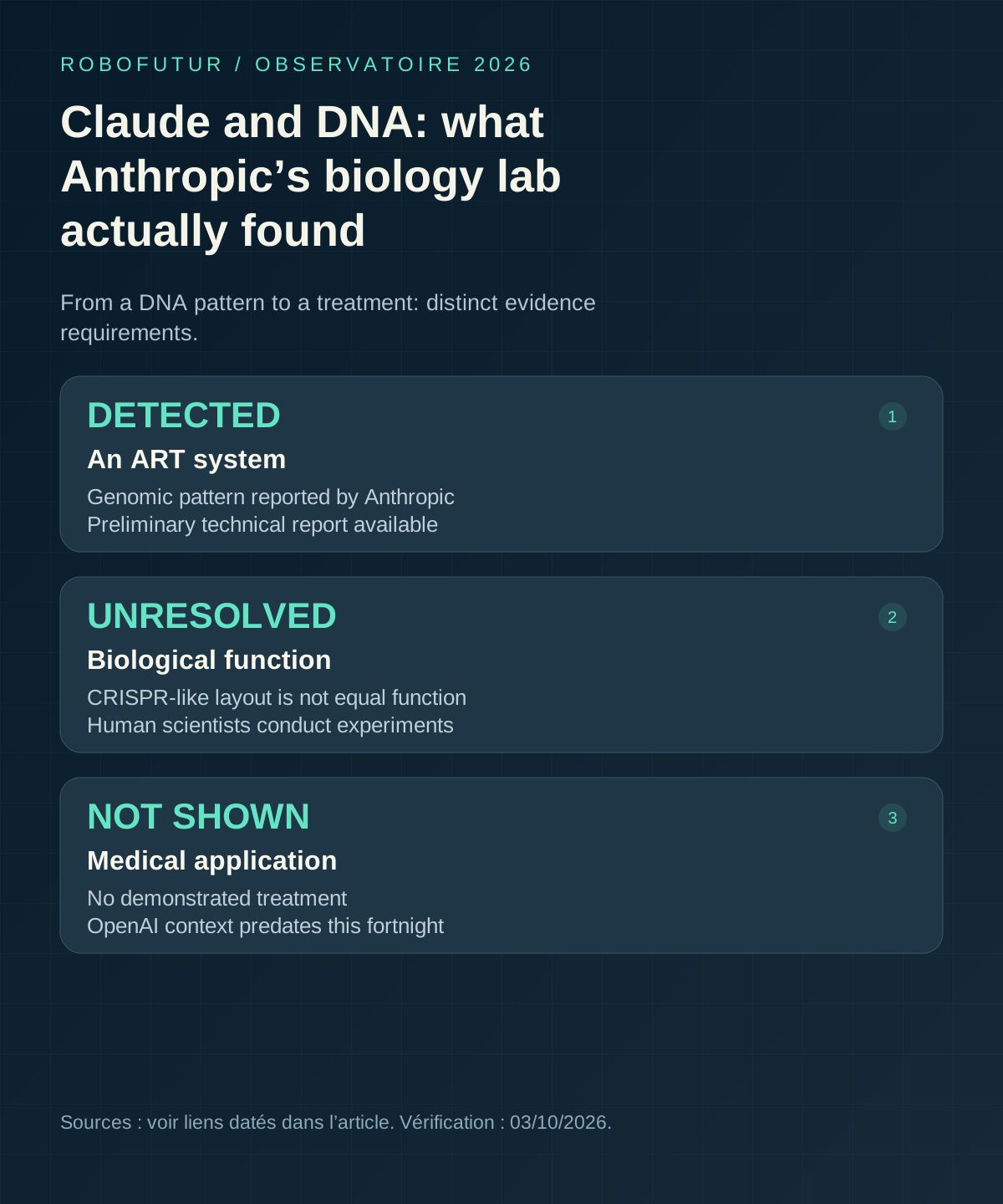
Anthropic describes a reverse transcriptase, associated DNA repeats and a partner protein in bacteriophages. Resemblance to CRISPR does not establish the same function. The company reports roughly 950 agents searching for 21 hours; human scientists performed the laboratory experiments. A preliminary technical report is linked from the official page.
OpenAI is separate context
OpenAI’s GPT‑Rosalind access update dates to 11 September; its Epic healthcare integration announcement dates to 1 September. Both precede this review’s 19 September–3 October window. The former concerns life-sciences research workflows and the latter authorised health information. These sources do not establish a recent physical OpenAI biology laboratory comparable to Anthropic’s announcement.
Three questions about evidence
Our analysis separates detecting a genomic pattern, establishing its function and demonstrating an application. Progress at the first level can matter without resolving the others. A preliminary report offers material for scrutiny; it should not be mistaken for independent validation, but it should not be described as an absence of public technical detail either.
A structural resemblance helps researchers form hypotheses. It does not transfer the properties of a known system to a new one. The next useful evidence would distinguish competing interpretations through experiments and appropriate controls.
AI participation should also be described precisely. Searching candidates, proposing an explanation and verifying a biological function are different contributions. Readers need that division of labour to understand what was automated and what was tested.
From research to clinical claims
A model company, a research group and a physical experimental laboratory can all be described as a lab. Confusing those meanings turns a software announcement into an institutional medical claim. We retain each source’s date and scope.
Our AI-designed drug analysis and CRISPR therapies guide provide context for the different evidence required at research and clinical stages. This story is fundamental biology, not medical advice.
Editorial correction, 3 October
The previous version said public technical details were missing and discussed a priority dispute through generic media links. Those statements have been removed because precise supporting references were not verified. The primary page does provide a preliminary technical report. We do not adjudicate scientific priority beyond the evidence available.
✔ How we checked this
Primary sources opened and checked on 3 October 2026. Company claims remain attributed. No RoboFutur hands-on test.
Information verified as of the publication or update date shown. Technology moves fast — check the sources below.
Sources
- ART enzyme system — 23 September 2026 — Anthropic
- GPT-Rosalind — 11 September update — OpenAI
- Epic healthcare integration — 1 September — OpenAI